
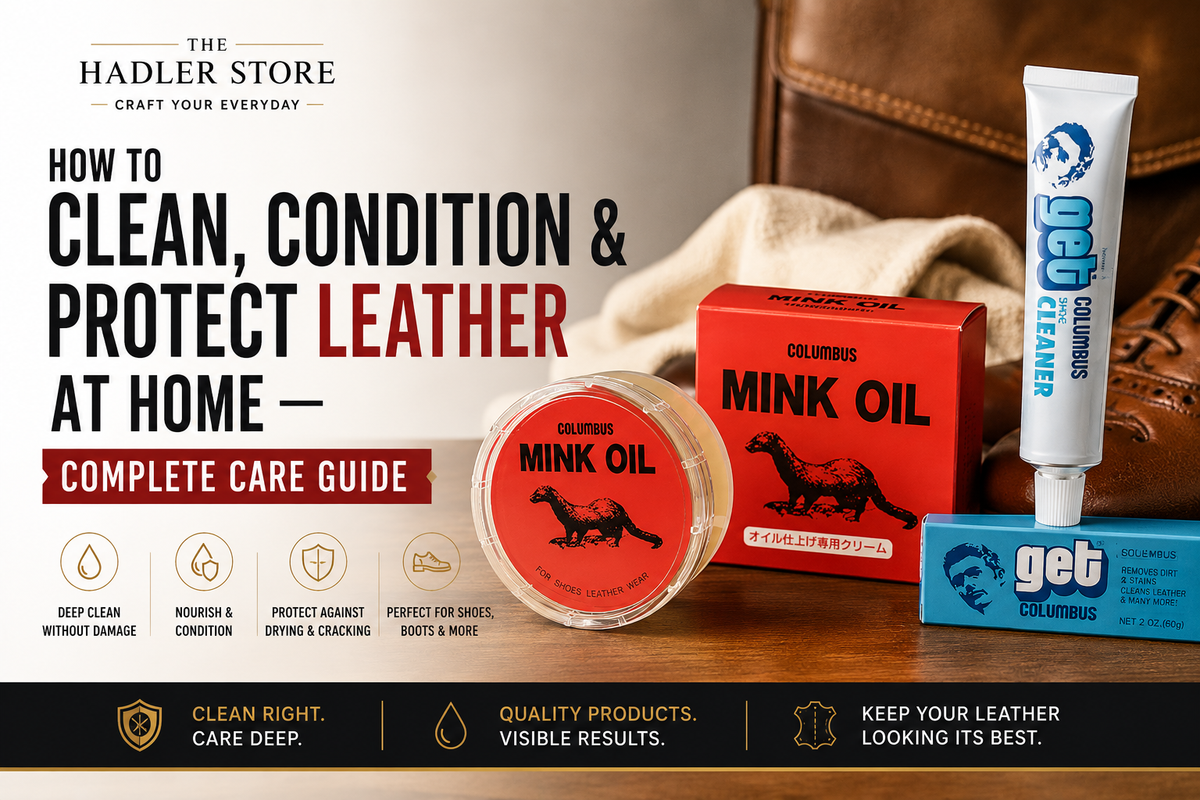
How to Clean and Condition Leather Products at Home — Without Ruining the Finish
Leather rarely fails overnight. It dries out, then it dulls, then one humid week later a faint white bloom appears on a bag you thought was fine. Most people reach for kitchen soap or a wet wipe at that point — and that is how a good pair of shoes becomes stiff, blotchy, and tired.

You do not need a cobbler for everyday leather care. You need the right order: identify the surface, clean gently, restore the oils, then protect. This guide walks through that routine for smooth leather, suede, and the mould that shows up in warm, humid homes.
Identify the Surface Before You Open Anything
Using the wrong product is the fastest way to damage leather. Before you reach for a cleaner, look closely at the surface.

- Smooth leather — shoes, most handbags, belts, sofas. A closed, slightly shiny or satin surface that is the easiest to clean and condition.
- Suede and nubuck — a soft, napped texture that catches dirt readily. Water and oil-based conditioners can flatten or darken the nap permanently. Treat it as an entirely different material with different products.
- Finished or coated leather — many modern bags have a protective top coat. They tolerate light cleaning well, but heavy oils can sit on the surface rather than soaking in.
Always test any new product on a hidden area first — inside a strap, under a flap, or the back of a heel. Wait until it dries completely. If the colour shifts or the texture changes, stop.
Cleaning Leather Without Drying It Out
Start dry. Brush or wipe away dust with a soft, clean cloth before adding any moisture. Dirt sitting on the surface will grind in if you add liquid too soon.

For everyday grime, fingerprints, and light stains on smooth leather, use a dedicated leather cleaner rather than household soap. Kitchen detergents strip the natural oils that keep leather flexible and supple. A small amount of a purpose-made cream or paste, worked in with a soft cloth, lifts grime without leaving the hide thirsty.
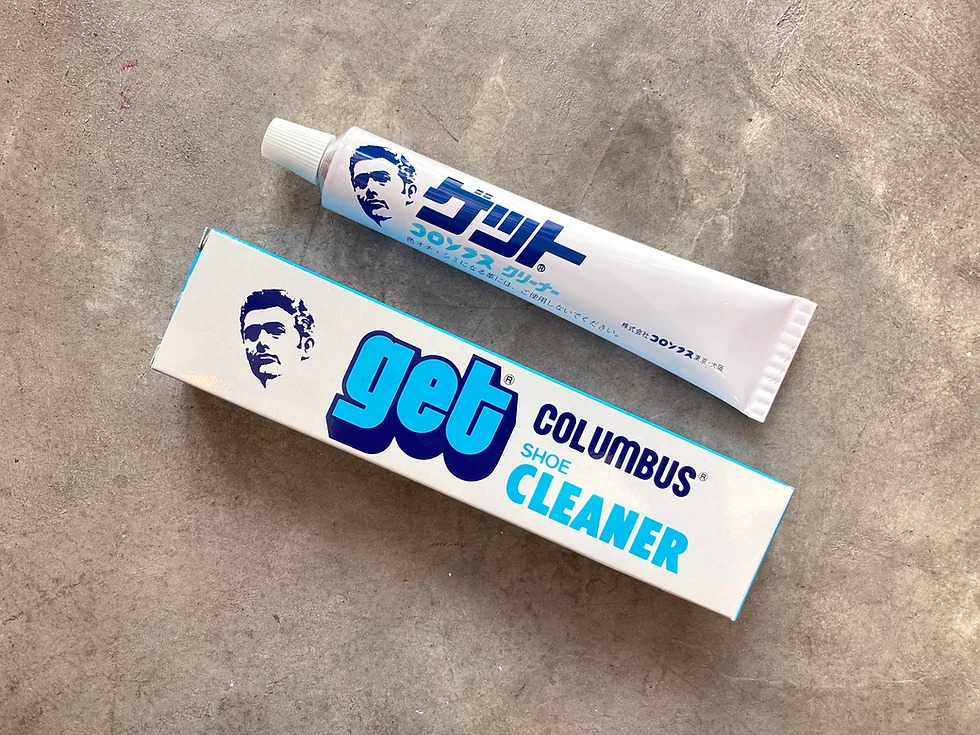
Columbus Get Shoe Cleaner is built for this job — stubborn dirt and ink marks on shoes, bags, furniture, and leather clothing. For frequent wipe-downs with antibacterial care, the Columbus New Neo Antibacterial Cleaner handles the same range of leather goods in a compact format. The Anaya No-Mould Leather Cleaner is an alternative formulated with witch hazel for active anti-fungal protection — particularly useful in Singapore's climate where mould follows damp closely.
- Apply a small amount to a clean cloth — not directly onto the leather.
- Work in small circles, following the grain where you can see it.
- Wipe away residue with a second dry cloth.
- Let the piece air-dry away from heaters, hairdryers, and direct sun.
If the leather feels tight or chalky after cleaning, that is your cue to condition. Cleaning without conditioning is half a routine.
Conditioning — How Often and How to Do It
Conditioning puts oils back into the hide so it stays soft and less likely to crack at stress points like toe boxes, bag corners, and strap folds.

Columbus Mink Oil is a traditional conditioner for smooth leather — it restores softness and helps the surface resist water. The Anaya Natural Leather Conditioner uses a beeswax and lanolin formula that absorbs without leaving a greasy residue and adds a light protective barrier. Both are well-suited to bags, shoes, and belts in regular use.
- Make sure the leather is clean and fully dry before conditioning.
- Warm a pea-sized amount between your fingers or on a cloth.
- Massage it in evenly — pay attention to creases, toe boxes, and bag corners, which dry first.
- Leave it to absorb for at least 20–30 minutes, then buff with a clean dry cloth.
A Columbus polishing cloth is better than an old t-shirt for buffing — it lifts excess oil and brings back a quiet sheen without scratching. For a faster high-gloss finish on freshly treated smooth leather shoes, the Columbus Double Shine two-sided sponge adds wax shine in a few passes.
Use mink oil sparingly — a thin layer is enough. A thick application can darken some leathers and attract dust. Do not use it on suede or nubuck — it crushes the nap and leaves a greasy patch that is difficult to reverse.
Leather Care Schedule
| Frequency | Task |
|---|---|
| After each wear | Wipe dust, let shoes air out, stuff bags with paper to hold shape |
| Every few weeks | Clean smooth leather with a purpose-made cleaner |
| Every 4–6 weeks (dry climate) | Condition leather if it feels dry to the touch |
| Every 2–3 months (humid climate) | Condition and check hidden folds for early mould |
| As needed | Treat mould immediately when spotted — do not leave it |
Suede, Nubuck, and Mould — Specific Situations
Suede and Nubuck
Keep water to a minimum. Brush the nap in one direction with a suede brush to lift dust. For stains, a lotion made specifically for napped leather is safer than a general cleaner. Columbus Suede Lotion lifts marks while protecting the texture — apply lightly, let it dry fully, then brush the nap back up gently to restore the surface direction.
Mould in Humid Homes
White or grey spots on leather stored in cupboards are usually mould, not dust. Wiping them with a damp cloth spreads spores and can stain the surface. You need a leather-safe mould treatment, not a generic cleaner.
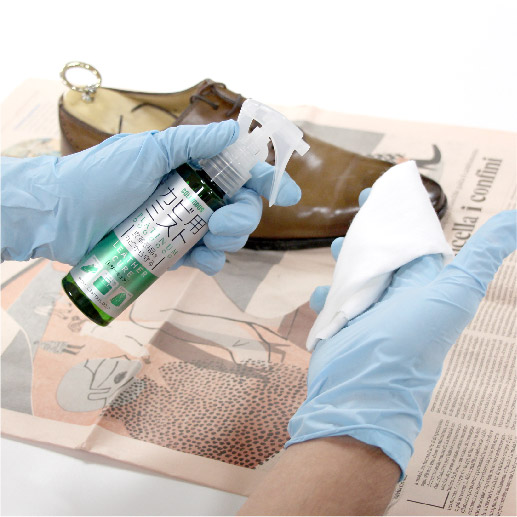
Columbus Leather Mold Cleaner Platinum is formulated to treat active mould without damaging the leather surface. The Anaya Anti-Mould Patches are a passive prevention option — place one inside a stored bag or on a wardrobe shelf and they release plant-based anti-fungal compounds continuously for one to three months without any direct contact with the leather.
After treating mould:
- Spray or wipe with a leather-safe mould treatment and let it work for 1–2 minutes.
- Wipe clean with a dry cloth.
- Let the item dry in open, moving air — not in a sealed bag or closed cupboard.
- Condition the leather after 24 hours of drying, so it does not tighten as it recovers.
- Place an Anaya Anti-Mould Patch inside the bag before returning it to storage.
For shoes that smell stale after a long week, a light pass of Columbus Odour Clean spray inside the lining helps without soaking the leather.
What Never to Use on Leather
- Baby wipes — contain alcohol, preservatives, and surfactants that strip leather oils and leave a residue that attracts dirt over time
- Kitchen degreasers and dish soap — too alkaline for leather's pH, they dry the hide and can cause irreversible cracking with repeated use
- Bleach or hydrogen peroxide — will lighten and damage the surface, particularly on dyed leathers
- Hairdryers and direct sunlight — force-drying leather causes it to stiffen and crack at stress points. Always air-dry at room temperature
- Petroleum-based products — can swell and break down leather fibres over time
Frequently Asked Questions
Can I use baby wipes to clean leather?
No — baby wipes contain alcohol, preservatives, and synthetic surfactants that strip the natural oils from leather and leave a residue that accelerates drying and cracking over repeated use. They feel convenient in the moment but cause cumulative damage that shows up months later. Use a purpose-made leather cleaner instead.
How do I remove mould from a leather bag?
Do not wipe mould with a damp cloth — this spreads spores and can stain the leather. Use a leather-safe mould treatment such as Columbus Leather Mold Cleaner Platinum, applied with a clean cloth. Wipe clean, then let the bag dry in open air for 24 hours before conditioning the surface. Store with an Anaya Anti-Mould Patch inside to prevent recurrence.
How often should I condition leather shoes?
In dry conditions, every four to six weeks for shoes in regular use. In humid tropical climates, every two to three months is usually sufficient — unless the leather already feels dry, stiff, or shows fine surface creases forming. Condition more frequently if shoes have been soaked or exposed to prolonged humidity.
Does conditioning leather darken it?
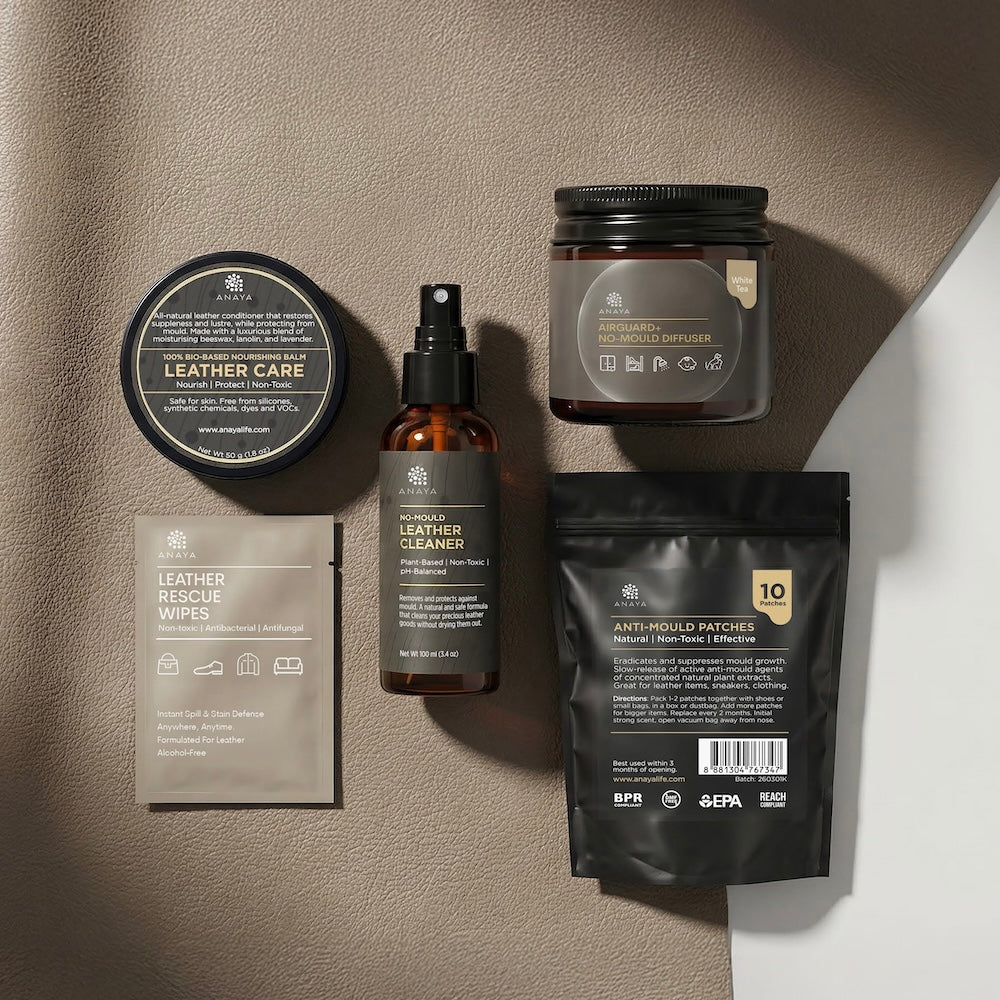
Some conditioners darken certain leathers, particularly mink oil on lighter-coloured hides. Always test on a hidden area first and allow it to dry fully before assessing the result. The Anaya Natural Leather Conditioner uses beeswax and lanolin which absorbs without leaving a greasy film and produces minimal colour change on most leather tones.
Can you use the same cleaner on shoes and bags?
Yes — if both are smooth leather, a quality leather cleaner handles both. Columbus Get Shoe Cleaner and Columbus New Neo Antibacterial Cleaner both work across shoes, bags, belts, and leather furniture. The surface type matters more than the item type — always check for smooth versus suede, coated versus uncoated.
Where can I buy Columbus leather care products in Singapore?
We carry the full Columbus shoe and leather care range at The Hadler Store, alongside the Anaya natural leather care range — Anaya No-Mould Leather Cleaner, Natural Leather Conditioner, Anti-Mould Patches, and the complete Anti-Mould Leather Care Kit. Worldwide shipping from Singapore.
Leather Lasts When You Treat It Like Skin
Clean the surface, put moisture back, then leave it alone. The work takes ten minutes. The routine repeated consistently — clean, condition, store properly — keeps leather supple and presentable for years rather than seasons. Replacing a cracked bag or a sole that has separated from dried-out leather takes considerably longer and costs considerably more.
Shop Leather Care at The Hadler Store
We carry the full Columbus shoe and leather care range alongside Anaya's natural leather care collection — cleaners, conditioners, mould treatment, anti-mould patches, polishing cloths, and suede lotion. Worldwide shipping from Singapore.
Shop Anaya Leather Care and Home Essentials →
Also read: How to Remove Sticky Residue from Any Surface · How to Restore Dull Chrome and Metal at Home · How to Clean a Glass Cooktop Without Scratching It