
How to Clean Your Coffee Machine — The Complete Guide (And Why Most People Leave It Too Late)
You bought a good coffee machine. You grind fresh beans, dial in your dose, and pull what should be a great shot. But lately, there's a faint bitterness that wasn't there before. The crema looks thin. The flavour feels off — almost stale, even with new beans. Sound familiar?
The culprit is almost never the coffee itself. It is the machine. Old coffee oils, mineral scale, and residue build up inside every machine over time, and they silently affect the taste of every cup that follows. The fix is simpler than expected, and it costs less than a bag of specialty beans.
This guide covers why coffee machines get dirty, how to clean different types properly, and how often each method needs it.
Why Does a Coffee Machine Get Dirty — Even When You Rinse It
Every time you brew, tiny amounts of coffee oil cling to the group head, filter basket, and internal components. Water alone does not dissolve these oils — over time they oxidise, turn rancid, and coat every surface the coffee touches. This is what causes the stale, faintly bitter aftertaste that creeps in after a few weeks of regular use.
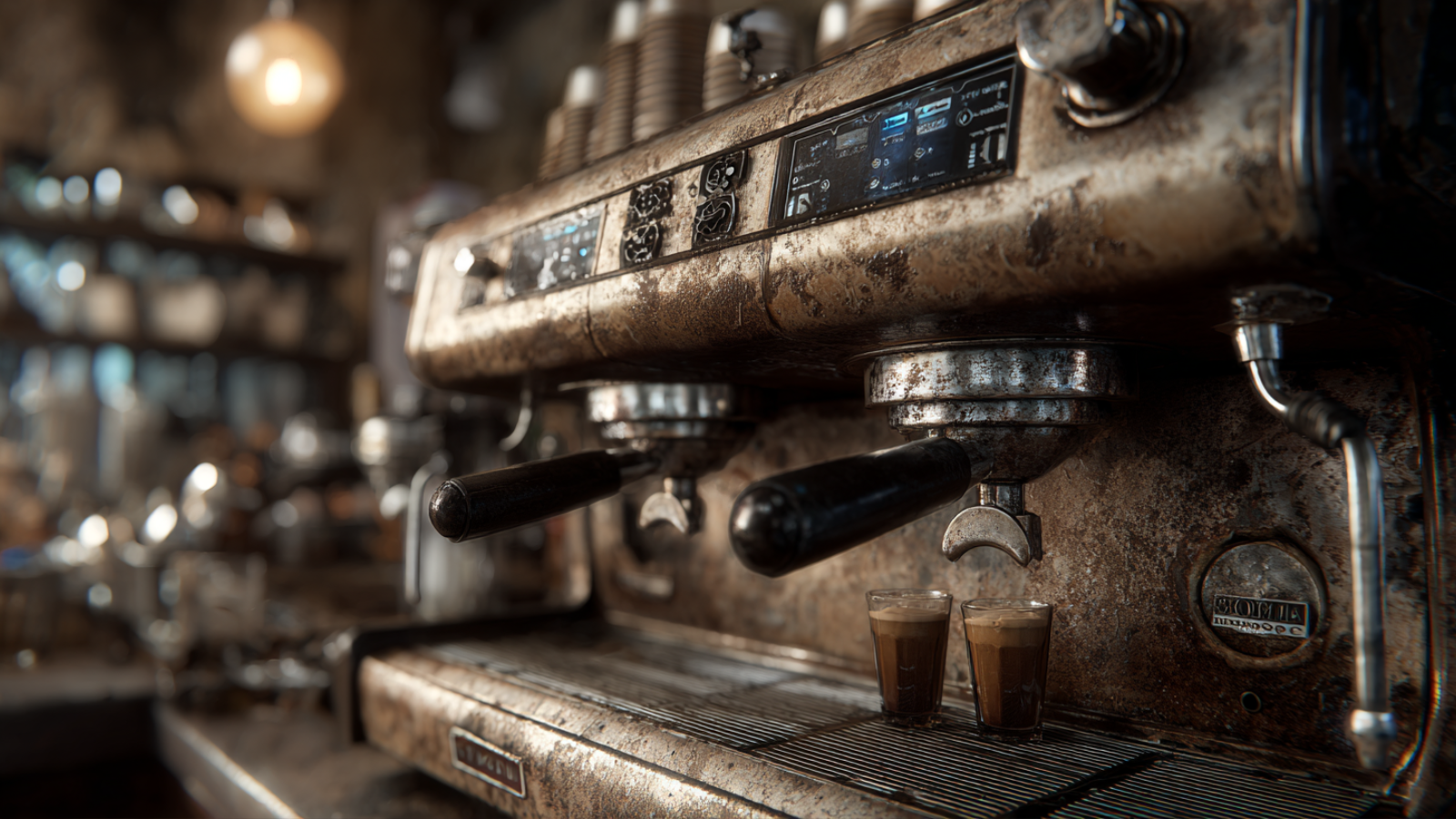
Separately, water itself deposits calcium and magnesium minerals — scale — inside the machine's boiler, pipes, and heating element. Scale reduces heating efficiency, slows water flow, and if left long enough can permanently damage internal components.
The two problems require two different solutions: a cleaning product for coffee oils, and a descaler for mineral scale. Using only one addresses half the issue.
How Often Should You Clean Your Coffee Machine
The answer depends on how much you use it. Here is a practical routine that works for home users and small offices:

- After every use: Rinse the portafilter, wipe down the group head, and purge the steam wand if you use one by running steam through for 2–3 seconds.
- Weekly: Backflush your espresso machine with a cleaning tablet. For drip coffee makers, run a water-only brew cycle and wipe the basket.
- Monthly: Deep clean with espresso cleaning tablets. Soak the portafilter and basket in a cleaning solution. For drip machines and capsule makers, run a full descaling cycle.
- Every 2–3 months, or when prompted: Full descale — especially important if you live somewhere with hard tap water.
Hard water tip: If your tap water leaves white deposits on taps or kettles, descale your coffee machine monthly. If your water is soft or you use filtered water, every 2–3 months is usually sufficient.
What You Actually Need to Clean a Coffee Machine Properly
Two products handle the job for most home setups.

Espresso cleaning tablets are designed to dissolve coffee oils and residue from the group head, portafilter, and basket. Cafetto Espresso Clean tablets are professional-grade and used by cafés worldwide — biodegradable, food-safe, and leaving no odour after rinsing.
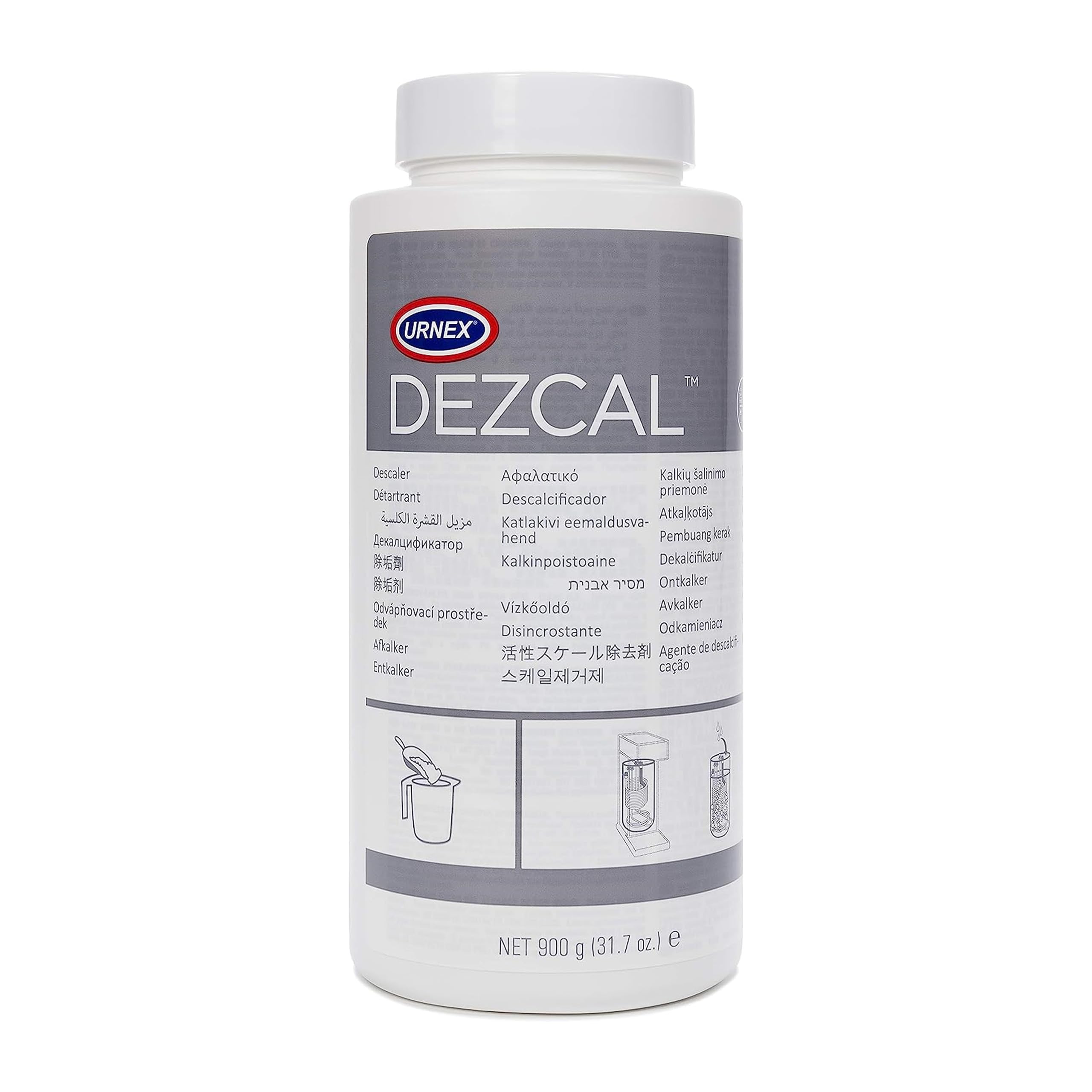
A descaling solution is specifically formulated to dissolve mineral scale inside the boiler and pipes. Do not use white vinegar — it can damage rubber seals over time and leaves a smell that lingers in the machine. Use a purpose-made descaler instead.
For drip coffee makers and capsule machines, typically only a descaler is needed — these machines have fewer components requiring backflushing.
Shop Cafetto cleaning tablets and descalers at The Hadler Store →
Step-by-Step — How to Backflush an Espresso Machine with Cleaning Tablets
![How to Backflush Your Espresso Machine [6 Steps]](https://www.espressoparts.com/cdn/shop/articles/backflush_2_600x_LE_upscale_legacy_x4_f6c43891-5aa4-493c-9a1f-71627d124f56_900x.jpg?v=1736802872)
Backflushing pushes water backwards through the group head, flushing out coffee oil residue. It requires a blind filter basket — a solid basket with no holes, usually included with your machine.
- Remove your regular filter basket and insert the blind filter basket into the portafilter.
- Place one cleaning tablet into the blind basket.
- Lock the portafilter into the group head.
- Run the machine for 10 seconds, then stop. Let it sit for 10 seconds. This allows the tablet to dissolve and begin working.
- Repeat this 10-second on, 10-second off cycle four more times — five cycles total.
- Remove the portafilter, swap to the regular filter basket, and run 2–3 blank shots with no coffee to rinse the group head completely.
- Pull one espresso shot and discard it. This re-seasons the group head before your next real cup.
The whole process takes under 10 minutes and makes a noticeable difference to flavour from the very next shot.
Drip Coffee Makers, Moka Pots, and AeroPress
Not every coffee setup requires backflushing. Here is the right cleaning approach for each method:
Drip Coffee Makers
Run a descaling cycle once a month, or when the machine signals it. Most drip machines have a dedicated descale mode. Use a liquid descaler or descaling tablets dissolved in water, run through a full brew cycle, then rinse with two to three plain water cycles to clear any remaining solution.
Moka Pot
Never use dish soap on a Bialetti or any moka pot — it strips the natural seasoning from the aluminium that builds up over repeated use. Rinse with warm water after each use. Deep clean monthly by soaking disassembled parts in warm water with a small amount of espresso cleaner, then rinse thoroughly. Avoid the dishwasher entirely.
AeroPress
One of the easiest brewers to clean — pop the puck out, rinse the rubber plunger and chamber, and you are done. Once a week, soak the rubber seal in warm water for a few minutes to keep it supple and maintain a good seal. The AeroPress Go is fully dishwasher-safe, which makes travel cleanup effortless.
Pour-Over — Hario V60, Phinoi
Rinse the dripper thoroughly after each use and remove any paper filter residue. Once a month, soak the dripper in warm water with a small amount of cleaning solution, rinse well, and dry completely before storing.
Does a Dirty Coffee Machine Actually Affect Taste
Yes — and the effect is more significant than most people expect. Coffee oil that oxidises on internal components adds a rancid, bitter note to every shot. Scale buildup reduces water temperature consistency, which directly affects extraction. Under-extracted coffee tastes sour and weak; over-extracted coffee tastes harsh and bitter — and a dirty machine can cause both problems simultaneously in different parts of the brew.
Coffee professionals clean their machines daily and descale on a strict schedule — not only for hygiene, but because a clean machine is essential to pulling a shot that tastes the way it is meant to. The same principle holds at home, just at a smaller scale.
A box of cleaning tablets costs a fraction of what most people spend on specialty coffee in a single month. Using them properly protects the investment in the machine and keeps every cup tasting the way it should.
Quick Reference — Coffee Machine Cleaning Schedule
- After every use — rinse portafilter, wipe group head, purge steam wand
- Weekly — backflush espresso machine with cleaning tablet
- Monthly — deep clean with tablets, descale if hard water, soak filter baskets
- Every 2–3 months — full descale for soft or filtered water setups
Frequently Asked Questions
Can I use vinegar to descale my coffee machine?
It is not recommended. White vinegar can damage rubber seals and gaskets with repeated use, and the smell often lingers in the machine for several brews afterward. A purpose-made descaler is formulated to dissolve scale effectively without these side effects.
How do I know if my coffee machine needs descaling?
Common signs include slower brew times, reduced water flow, unusual noises during heating, or a flashing descale indicator on machines that have one. If your tap water is hard — leaving visible white deposits on kettles or taps — descale monthly as a precaution rather than waiting for symptoms.
What is the difference between cleaning tablets and descaling solution?
Cleaning tablets dissolve coffee oil residue from the group head, portafilter, and basket — addressing flavour and hygiene. Descaling solution dissolves mineral scale buildup inside the boiler and pipes — addressing machine performance and longevity. Most machines need both, used on different schedules.
Is it safe to put espresso machine parts in the dishwasher?
It depends on the part and the machine. The AeroPress Go is fully dishwasher-safe. Portafilters and filter baskets are often dishwasher-safe but check your manufacturer guidance first, as some finishes can be affected by dishwasher detergent. Moka pots should never go in the dishwasher.
How long does backflushing take?
The full backflush process takes under 10 minutes including the rinse cycles. Doing it weekly takes less time overall than dealing with a machine that has been neglected for months and needs a more intensive deep clean.
Shop Coffee Machine Cleaning Essentials at The Hadler Store
We carry Cafetto espresso cleaning tablets and descalers alongside the full coffee brewing equipment range — AeroPress, Hario, Bialetti, Phinoi, and Huskee. Authorised retailer, worldwide shipping from Singapore. Free delivery on orders over $280.
Shop Cafetto Cleaning Products →
Browse the full coffee equipment range →
Also read: AeroPress Clear Brew Guide 2026 · Hario V60 Brew Guide 2026