
How to Remove Sticky Residue from Any Surface (The Right Way)
You peel off a price sticker and it comes away clean — but the glue stays behind. Or you remove a label from a jar, and now there is a greasy, grey patch that nothing seems to touch. Sticky residue is one of those small household frustrations that feels completely out of proportion to how difficult it should be to fix. It is genuinely fixable — you just need to know which surface you are dealing with and which approach to use.

This guide covers the fastest, safest methods for removing sticky residue from the surfaces you are most likely to encounter — glass, metal, wood, plastic, and fabric — and when a purpose-made adhesive remover like Goo Gone will save significant time and effort over a DIY fix.
Why Does Sticky Residue Stay Behind
Most adhesive labels and stickers use a pressure-sensitive glue — it bonds on contact and releases when you pull. The problem is that the paper or film of the sticker lifts away, but the glue layer stays bonded to the surface underneath. Heat, age, and sun exposure all make this worse — the glue can cure and harden over time, making it considerably harder to shift with ordinary cleaning products.
The solution is not scrubbing harder. It is using something that dissolves or loosens the glue's bond at a molecular level. That is exactly what citrus-based solvents and purpose-made adhesive removers are designed to do.
What Works on Each Surface Type
Before reaching for any product, identify your surface. Different materials need different approaches.
Glass and Ceramics
:max_bytes(150000):strip_icc()/DSC08437-bc675887721f46249146e0d76a1fd75b.jpg)
Glass is the most forgiving surface for residue removal. Rubbing alcohol at 70% concentration or higher works well — apply, leave for a few minutes, then wipe. A purpose-made adhesive remover like Goo Gone is faster and equally safe on glass. For very old, stubborn residue on flat glass, a plastic scraper held at a low angle after applying solvent clears it cleanly without scratching. Always finish with soap and water.
Stainless Steel and Metal
:max_bytes(150000):strip_icc()/how-to-remove-stickers-from-metal-5207451-01-37ed9c7a18004c3cb173a31f7ff8cbc9.jpg)
Apply the remover to a cloth rather than directly to the surface, then rub with the grain of the metal. A citrus-based solvent dissolves the adhesive without scratching. Follow with a rinse using warm soapy water to avoid any oily film on appliances. Do not use steel wool or abrasive pads — these will scratch a polished surface permanently.
Painted Walls and Sealed Surfaces

Test in a hidden area first. Most adhesive removers are safe on painted surfaces when used briefly — apply, wait 60–90 seconds, then wipe. Do not let it sit longer than needed on paint. For tape residue from hooks or picture frames, this method outperforms every DIY alternative tried first.
Wood — Finished or Sealed
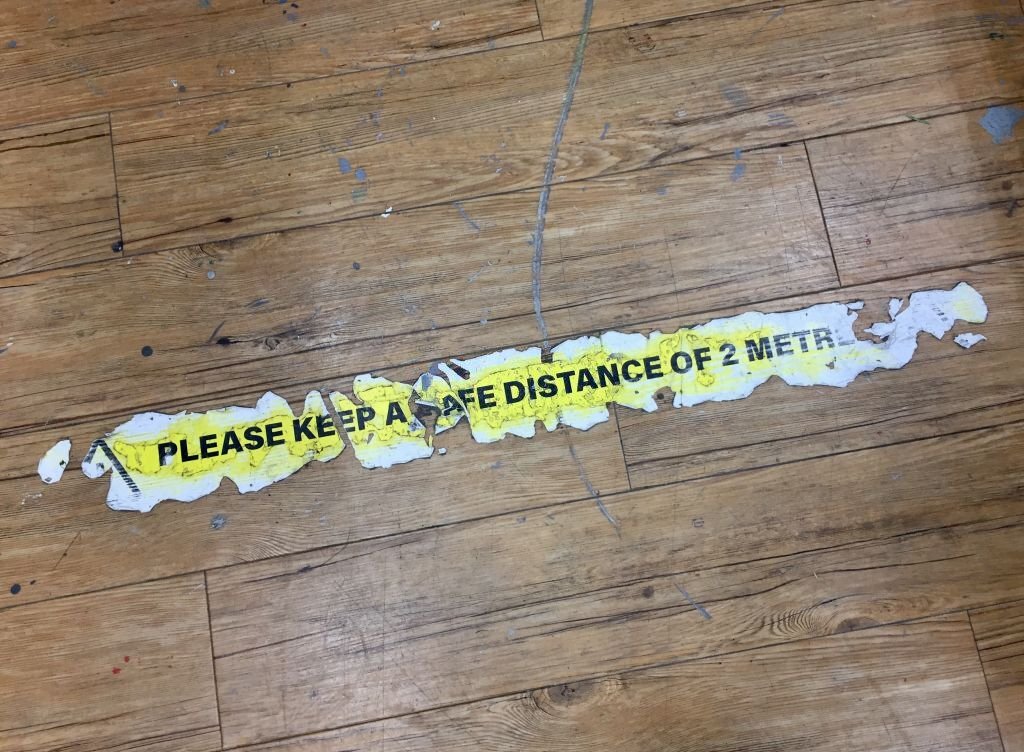
Adhesive remover works well on polyurethane-finished or lacquered wood. Apply a small amount with a soft cloth, rub gently, then clean immediately with a dry cloth followed by a mild soap wipe. Avoid using on raw or unfinished wood — the solvent can soak into the grain and cause staining.
Plastic Containers and Packaging
Most plastics respond well to a citrus-based remover or rubbing alcohol. Apply, wait two minutes, then wipe away. If you are repurposing a glass or plastic jar and want a clean finish for reuse, this is the fastest route to a label-free result.
Fabric and Clothing

Apply adhesive remover to the sticky spot and blot gently with a clean cloth — do not rub, as this spreads the adhesive into more fibres. Leave for a few minutes, then launder the item separately in warm water. Check the residue is fully gone before tumble drying, as heat can set any remaining adhesive permanently into the fabric.
Does a Purpose-Made Remover Actually Work Better Than Home Remedies
For most residue, yes — a purpose-made product is significantly faster and less messy than DIY alternatives. Here is the honest comparison:
| Method | Effectiveness | Time Required | Drawbacks |
|---|---|---|---|
| White vinegar | Works on fresh, light residue | 5–15 minutes, needs heating | Struggles on cured, old adhesive. Strong smell. |
| Rubbing alcohol | Effective on glass and plastic | 2–5 minutes on fresh residue | Can dry out wood, may affect painted finishes |
| Oils (coconut, olive) | Gentle option for glass or ceramic | 20–30 minutes contact time | Slow. Leaves a greasy film needing thorough washing |
| Goo Gone | Designed specifically for adhesive | 2–5 minutes | Citrus oil film needs a soap and water rinse after |
The practical advantage of a citrus-based remover like Goo Gone is reliability. It is formulated to work on the types of adhesives actually used in product labels, packaging tape, and price stickers — not just light, fresh residue. If you regularly deal with this problem at home or in a workshop, keeping a bottle on hand removes the trial and error entirely.
Step-by-Step — The Method That Works Every Time
- Remove as much of the label as possible first. Peel from a corner. Warm the sticker with a hair dryer on low heat for 30 seconds if it resists — heat softens the adhesive and helps the label peel away more completely before you even reach for a solvent.
- Apply your remover. Apply a small amount to a clean cloth, then press and rub the cloth over the residue. For glass or metal, you can apply directly to the surface. Do not oversaturate — a small amount goes further than expected.
- Wait. Give the solvent 2–5 minutes to break down the bond. Resist the urge to wipe immediately — patience is the step most people skip, and skipping it is why the first attempt often fails.
- Wipe away. Use a clean section of cloth and wipe in a single direction. For stubborn patches, a plastic scraper — never metal on anything but flat glass — helps lift the last of the residue without scratching.
- Clean the surface. Wash with warm soapy water and dry with a clean cloth. This removes any solvent residue and leaves the surface genuinely clean and ready to use, particularly important for anything that will contact food.
What to Avoid
A few common mistakes make the job harder or damage the surface:
- Scrubbing dry. Without a solvent to break the bond, you are dragging the adhesive around the surface and embedding it deeper rather than lifting it.
- Using steel wool or metal scrapers on non-glass surfaces. These scratch painted, coated, or polished surfaces permanently. Reserve metal scrapers for flat glass only.
- Letting adhesive remover sit too long on sensitive surfaces. On painted surfaces or certain plastics, extended contact time can cause damage. Two to five minutes is sufficient for most jobs — do not walk away and forget about it.
- Skipping the rinse. Both citrus-based removers and rubbing alcohol leave a film if not rinsed away. Always follow with warm soapy water, particularly on surfaces that contact food.
- Using harsh solvents on fabric. Acetone-based nail polish remover can damage fibres and strip colour. Always use a fabric-safe product and launder afterward.
Quick reference: Goo Gone is safe on glass, metal, sealed stone, finished wood, most plastics, ceramics, fabric, and painted surfaces. Avoid use on unfinished wood, silk, leather, and rubber without testing a small area first.
Beyond Stickers — Where Else This Comes Up
Adhesive residue is not limited to labels and price stickers. The same approach handles several other common household situations:

- Crayon and marker marks on walls — a different problem chemically, but a similar wipe-and-rinse approach with the right product clears most washable marks from painted surfaces.
- Gum stuck to fabric or carpet — freeze the gum first with an ice cube wrapped in a cloth, then it lifts away brittle rather than smearing further into fibres.
- Tape residue from moving boxes or wall hooks — the same citrus solvent method works identically here, particularly on rental walls where you need the surface to look untouched.
- Grease buildup around stove tops and rangehoods — a related but distinct problem; a degreaser formulated for kitchen grime, rather than an adhesive remover, is the right tool here.
Frequently Asked Questions
Is Goo Gone safe on kitchen surfaces that touch food?

Yes, once rinsed thoroughly with warm soapy water after use. The citrus solvent itself should not be left in contact with food-safe surfaces without a full rinse — always wash and dry the area before it touches food again.
Will Goo Gone damage plastic?
Most rigid plastics handle Goo Gone well. Softer or more delicate plastics, including some food storage lids, can occasionally become slightly tacky or hazy with prolonged contact. Test a small area first and wipe away promptly rather than leaving it to sit.
How do you remove old, hardened sticker residue?
Old residue that has cured and hardened over months or years usually needs a longer contact time — closer to 5 minutes rather than 2 — and may need a second application. A plastic scraper used gently after the solvent has had time to work removes the last stubborn traces without scratching the surface beneath.
Can you use Goo Gone on car surfaces?
Yes, on glass, chrome, and most painted exterior surfaces when used briefly and rinsed promptly. Avoid prolonged contact with clear coat finishes, and always test an inconspicuous area first.
What removes sticker residue without any chemicals?
Warm water and dish soap work on very fresh, light residue. For anything cured or older, a mechanical approach using a plastic scraper combined with warm water is the most chemical-free option, though it requires more time and effort than a purpose-made remover.
The Residue-Free Result Is Worth It

Sticky residue is the kind of small thing that sits there nagging at you — every time you reach for that jar, see the patch on the window, or notice the tape mark on the door frame. A bottle of Goo Gone and five minutes is genuinely all it takes to make most surfaces look as though nothing was ever there.
Shop Home Cleaning Essentials at The Hadler Store
We carry Goo Gone alongside a curated range of home cleaning products including Gorilla, Weiman, and Green Gobbler. Authorised retailer, worldwide shipping from Singapore. Free delivery on orders over $280.