
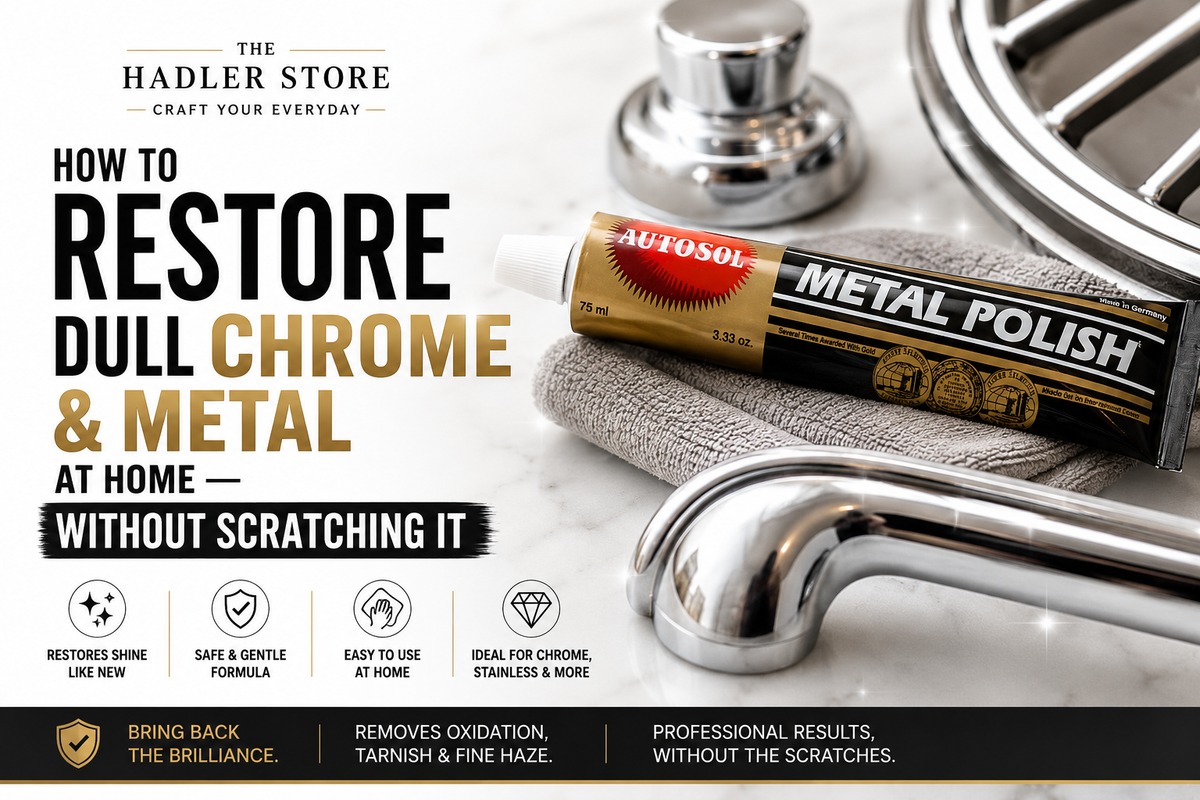
How to Restore Dull Chrome and Metal at Home — Without Scratching It
You notice it first in the morning light: the chrome faucet that once looked sharp now looks tired. Fingerprints cling. Water spots stay. Brass handles turn cloudy. Nothing is broken — it just no longer looks cared for.
Dull metal is usually surface oxidation, mineral deposits, or residue — not permanent damage. With the right polish and careful technique, most household chrome, brass, copper, and polished stainless can look bright again in under fifteen minutes. Here is how to do it without scratching the finish.
Why Chrome and Metal Go Dull
Metal loses its shine for a few predictable reasons, and identifying which one you are dealing with determines which approach works:
- Oxidation and tarnish — oxygen and moisture react with the surface, particularly on brass, copper, and chrome plating over time
- Hard-water minerals — dried water droplets leave chalky calcium and magnesium deposits that scatter light and make metal look grey and cloudy
- Oils and fingerprints — skin oils attract dust and create a hazy film that builds up with daily contact
- Wrong cleaners used previously — abrasive pads, bleach-based sprays, and rough paper towels can micro-scratch polished surfaces and create permanent cloudiness
If the surface still feels smooth when you run a fingernail across it, restoration is usually straightforward. Deep pitting, peeling plating, or etched metal is a different matter — polish improves appearance but cannot rebuild missing plating or fill etched scratches.

What You Need Before You Start
Keep the kit simple. Overcomplicating metal care is how finishes get scratched.

- Two soft microfibre cloths — one for applying, one for buffing
- Mild dish soap and warm water for pre-cleaning
- Autosol Metal Polish — a concentrated paste for chrome, stainless, brass, copper, and similar metals
- Cape Cod metal polishing cloths — pre-moistened cloths for smaller pieces, jewellery-scale items, and quick touch-ups
- Cotton buds for grooves and tight edges
Autosol is a German-formulated paste with a long track record in professional metal care. A pea-sized amount covers a surprising area. Important to note before you start: it is formulated for polished, smooth metal surfaces — not for brushed or satin stainless steel, where it can alter the grain.
Step-by-Step — How to Polish Chrome at Home Without Scratches
The order of these steps matters more than the force you apply. Light passes done correctly outperform aggressive scrubbing every time.

- Wash first. Mix a drop of mild dish soap in warm water and wipe the metal to remove grease, soap scum, and loose dirt. Rinse and dry completely. Polish applied to a dirty surface moves grit around rather than lifting oxidation.
-
Test a hidden area. On plated fixtures, older pieces, or anything with a coloured or coated finish, test a small inconspicuous spot first and check for any change in colour or finish before proceeding.
- Apply a small amount of polish. Put a pea-sized dab of Autosol onto a clean microfibre cloth — not directly onto the fixture. This gives you control over how much product contacts the surface.
- Work in small sections. Rub with light to medium pressure in tight circles, or along the natural lines of the piece. A dark residue will begin to form — that is oxidation and tarnish lifting off the surface, which is exactly what should be happening.
- Do not let the paste dry hard. Keep your working section small enough that you can buff before the film sets. Dried polish is harder to remove and can leave white residue in crevices.
- Buff to a shine. Switch to a clean, dry microfibre cloth and work the surface until the black film is gone and the metal looks bright. Change cloth faces frequently so you are not rubbing oxidation residue back onto the clean surface.
- Detail the edges. Use a cotton bud with a trace of polish for crevices around faucet bases, hinge pins, and logo recesses, then buff clean with a second cotton bud.
If the metal still looks hazy after one pass, repeat once. Multiple light passes are safer than one aggressive scrub — and produce a better final result.
Which Metals Respond Best — and Which Need Caution
Good candidates for Autosol polish: polished chrome taps and shower fittings, brass door handles and hardware, copper exteriors, bike and motorcycle chrome, smooth polished stainless trim, and metal lamp bases.
Use caution or avoid:
- Brushed or satin stainless steel — paste polish can alter the grain direction and create uneven sheen. Clean brushed stainless with a stainless-safe spray, always wiping in the direction of the grain.
- Anodised aluminium and coated finishes — polish can dull or remove protective coatings that are part of the metal's appearance.
- Lacquered brass — if the original clear lacquer is still intact, polish can cloud it. Polish only bare, unlacquered brass. To test: if the brass never tarnishes, it is likely lacquered.
- Food-contact interiors — polish the exterior of cookware and kitchen tools only, unless the product clearly specifies it is safe for interior food-contact surfaces, in which case rinse thoroughly afterward.
Does Household Polish Work — Toothpaste, Baking Soda, Vinegar
These come up often as DIY alternatives and are worth addressing honestly:
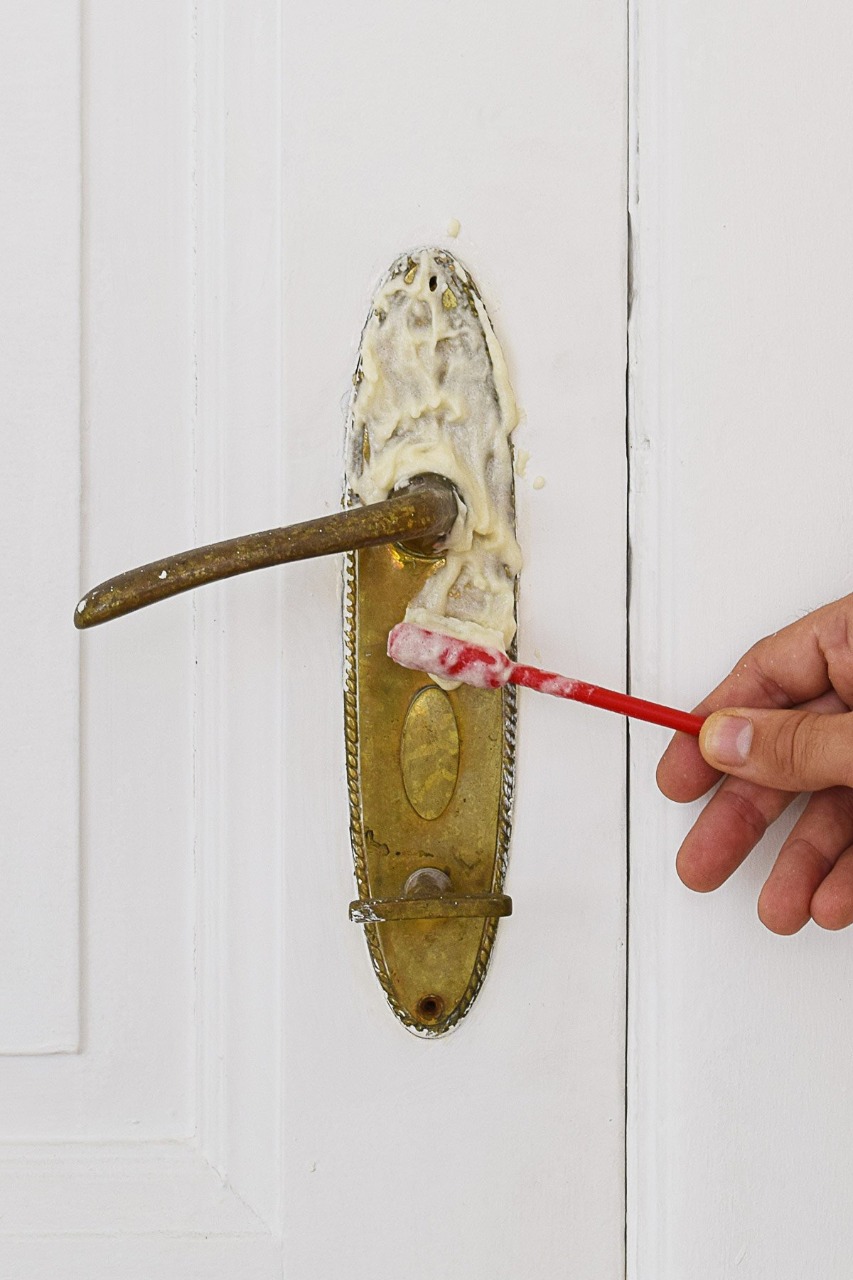
Toothpaste — contains mild abrasives and can produce a temporary shine on chrome and stainless. The abrasive particle size is inconsistent and unpredictable compared to a purpose-made polish, and it leaves a sticky film in crevices that attracts dirt. Works for a quick emergency clean; not a substitute for proper polishing.
Baking soda paste — mildly abrasive and can lift light tarnish on brass and copper. On chrome plating, the abrasiveness is too unpredictable — it can create micro-scratches that show up in raking light. Not recommended for chrome.
White vinegar — effective at dissolving mineral deposits and water spots on chrome and stainless when the issue is purely hard-water buildup rather than oxidation. Soak a cloth in undiluted vinegar, hold against the affected area for a few minutes, then wipe clean. Not a polish — it will not restore shine to tarnished or oxidised metal, but it is a useful first step for mineral-heavy water spots before polishing.
For consistent, scratch-safe results on polished decorative metal, a purpose-made polish like Autosol is the reliable option. The formulation is tested for metal compatibility in a way that kitchen pantry improvisation is not.
Keeping Metal Looking New — Maintenance Between Polishes
Restoration is half the job. Maintenance prevents the dull look from returning within weeks.
- Dry after water contact. A ten-second wipe after using taps or showering prevents mineral spots from forming — particularly important in areas with hard water.
- Avoid abrasive pads entirely. Scratches catch dirt and make future cleaning harder and future polishing less effective.
- Schedule a light polish every few months on high-touch pieces — entry door handles, kitchen faucet, bathroom fixtures — rather than waiting until they look neglected.
- For small accents and quick touch-ups — Cape Cod polishing cloths are pre-moistened and ready to use without any setup. Good for watches, buckles, small hardware, and maintenance between full polish sessions.
- Store buffing cloths clean and dry. A cloth with old polish residue or grit becomes an abrasive rather than a finishing tool.
Common Mistakes That Leave Metal Looking Worse
- Using too much product. Excess paste smears, takes longer to buff, and lodges in seams where it dries white and is difficult to remove. Use less than you think you need.
- Polishing over grit and dust. Surface dust or sand caught under the cloth creates swirl marks that are difficult to remove afterward. Pre-washing is not optional.
- Using paper towels. Paper towels shed lint and are more abrasive than they appear on polished chrome. Always use microfibre.
- Scrubbing brushed stainless in circles. Brushed metal has a directional grain. Circular scrubbing creates visible cross-grain marks that change the appearance permanently.
- Not fully buffing the black residue. The dark film must be completely removed or the surface looks streaky when it dries. If residue remains after buffing, use a fresh cloth section and keep going.
Frequently Asked Questions
Is Autosol safe on chrome faucets?
Yes — Autosol is formulated for polished chrome and is widely used on bathroom and kitchen chrome fixtures. Apply to polished chrome only, not brushed or matte finishes. Avoid contact with surrounding plastic trim as the solvent can cause slight discolouration on some plastics — apply with a cloth rather than directly onto the fixture.
How often should you polish chrome and metal?
High-touch pieces in daily use — kitchen taps, door handles, bathroom fittings — benefit from a light polish every 2–3 months. Decorative items in low-traffic areas every 6–12 months. In humid climates, oxidation develops faster and more frequent polishing helps.
Can you polish brushed stainless steel?
Not with a paste polish — it alters the directional grain of the finish. Clean brushed stainless with a stainless-specific spray cleaner, always wiping in the direction of the grain rather than in circles. Reserve paste polish for polished, smooth metal surfaces only.
What removes water spots from chrome?
Hard-water mineral spots on chrome respond well to undiluted white vinegar on a cloth held against the affected area for 2–3 minutes, then wiped clean. For persistent spots where the mineral deposit has built up over time, a light pass with Autosol after the vinegar treatment removes both the mineral residue and any resulting dullness in a single session.
Does polishing remove scratches from chrome?
Light surface scratches and swirl marks can be significantly reduced by polishing — the abrasive action levels micro-high points and the polish fills minor low points temporarily, improving reflectivity. Deep scratches that you can feel with a fingernail are permanent and polish will not remove them, though it can make them less visible by improving the surrounding surface.
Where can I buy Autosol metal polish in Singapore?
We carry Autosol Metal Polish at The Hadler Store — worldwide shipping from Singapore.
Dull Metal Is a Maintenance Gap, Not a Design Failure
With a soft cloth, a little patience, and a proven polish, the chrome and metal around your home can look sharp again — and stay that way with a simple routine. Most surfaces that look past saving are not. They just need the right approach applied consistently.
Shop Metal Polish and Home Care at The Hadler Store
We carry Autosol Metal Polish alongside Goo Gone, Weiman, Gorilla, and our full range of home care essentials. Worldwide shipping from Singapore.
Shop Home Care Essentials at The Hadler Store →
Also read: How to Remove Sticky Residue from Any Surface · How to Clean a Glass Cooktop Without Scratching It · How to Clean Your Coffee Machine — Complete Guide